Ke‘anae Lo‘i Kalo Research
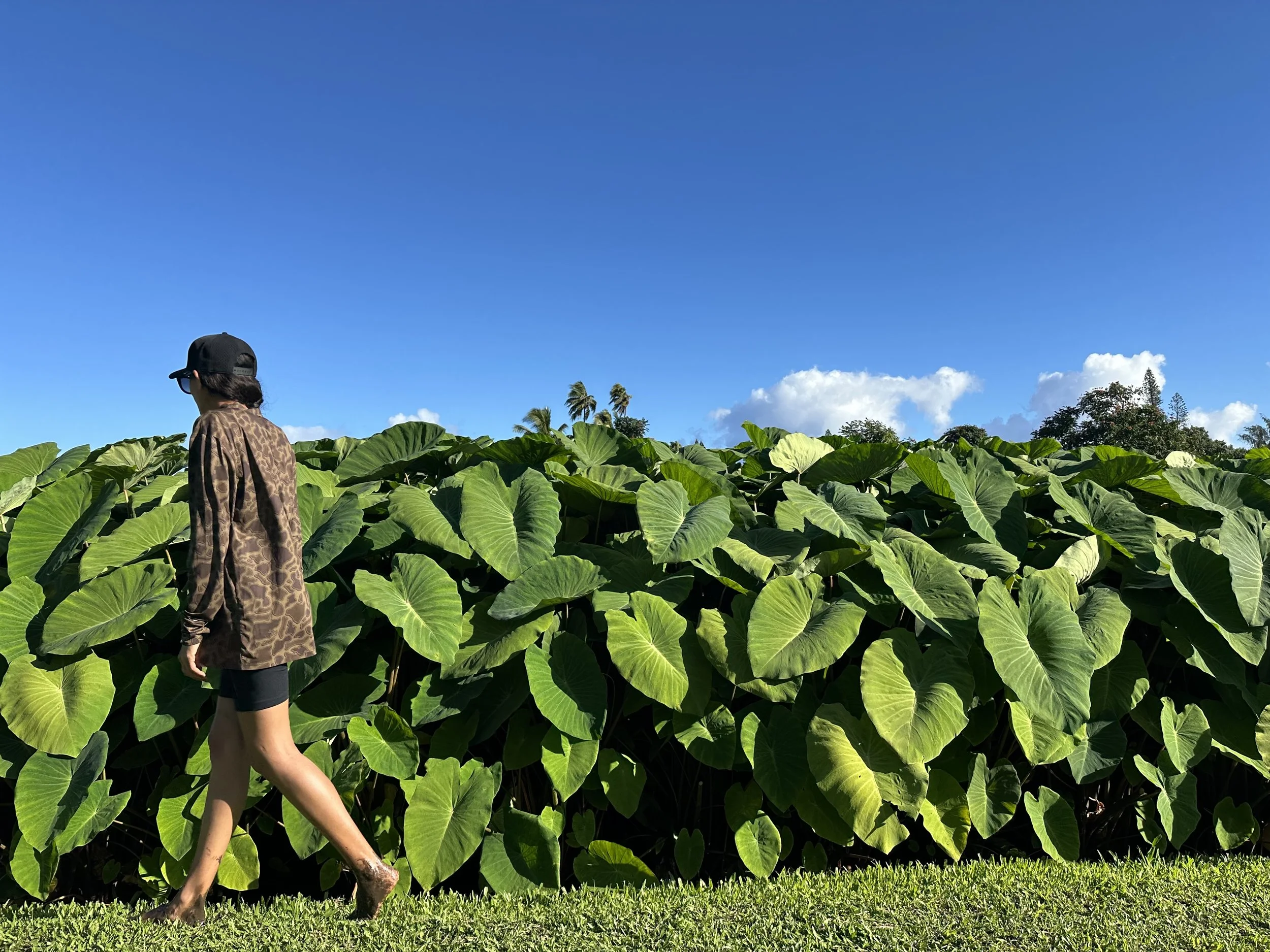
The Huli
Transitioning conventional taro production to Hawaiian natural farming.
Our findings are intended to help guide other farmers interested in transitioning to natural farming methods that do not require importing of foreign goods, thereby returning kalo farming to the sustainable practice of our Kupuna.
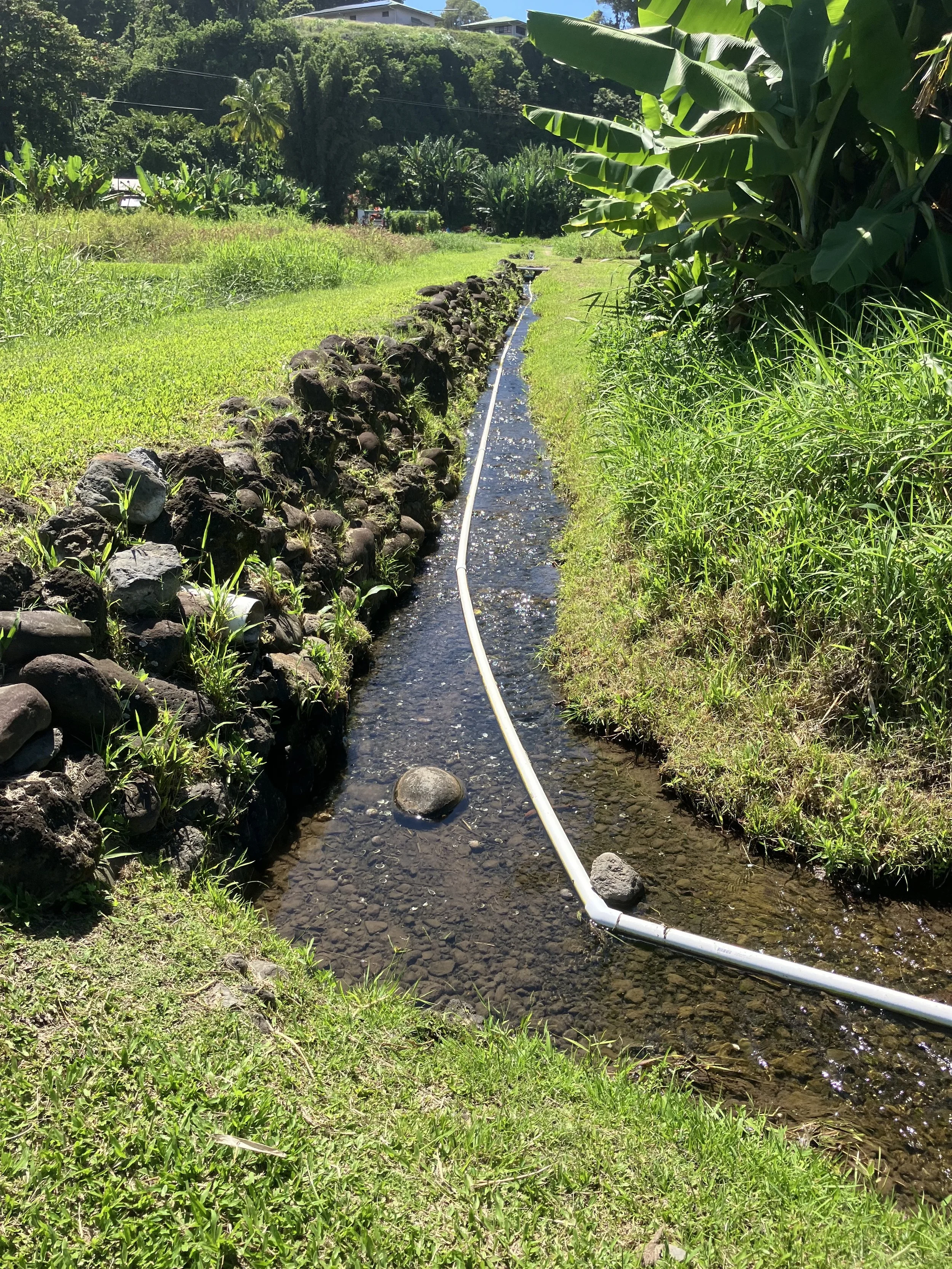
What are the Hawaiian societal values that have helped to offset the costs and hardships that kalo farmers face as they work to maintain the staple of Hawaii’s culture?
How can we overcome taro farming challenges in a holistic manner to inspire interest in kalo farming as a means to increasing Hawaiian food security, health and well-being?
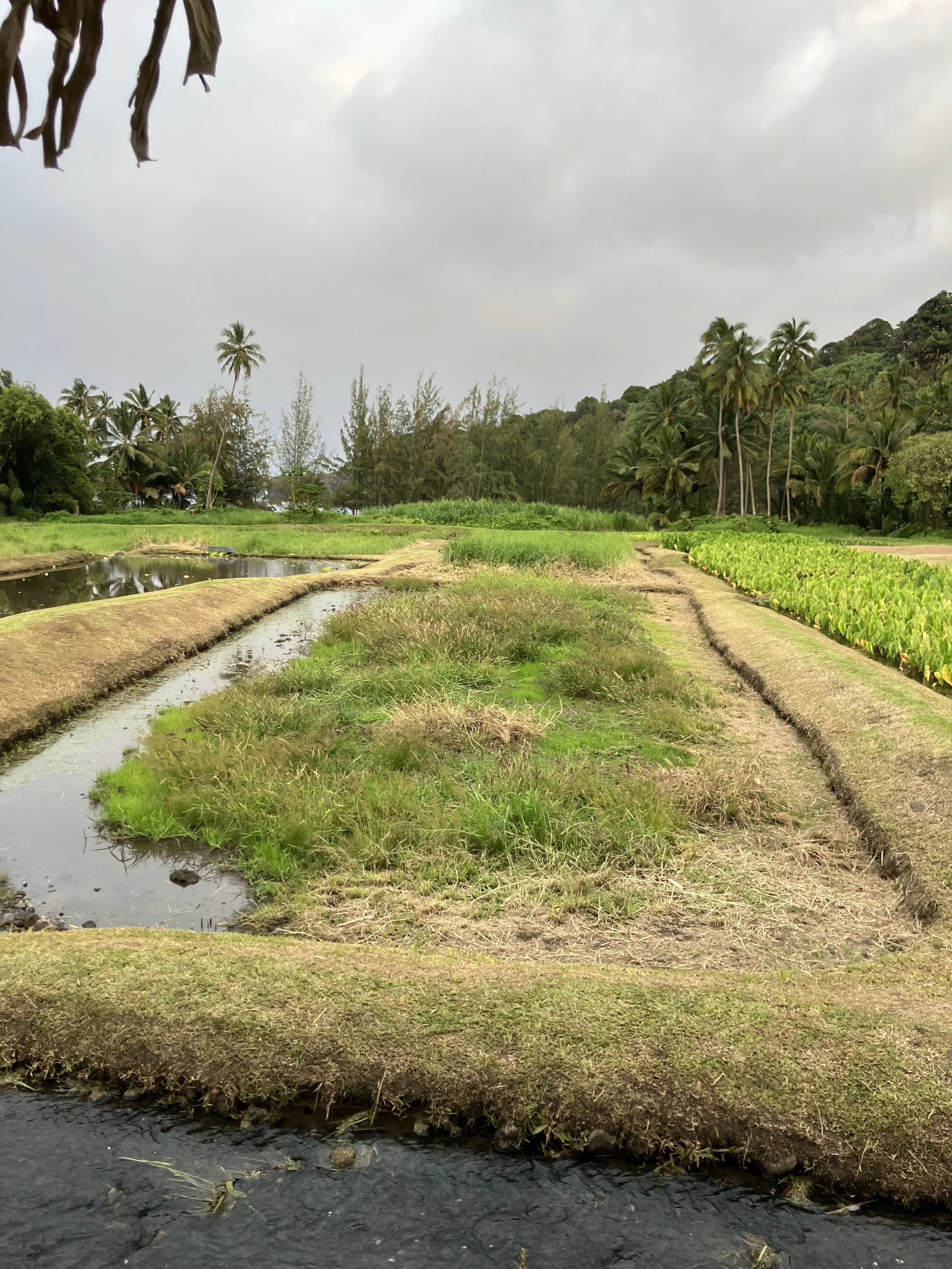
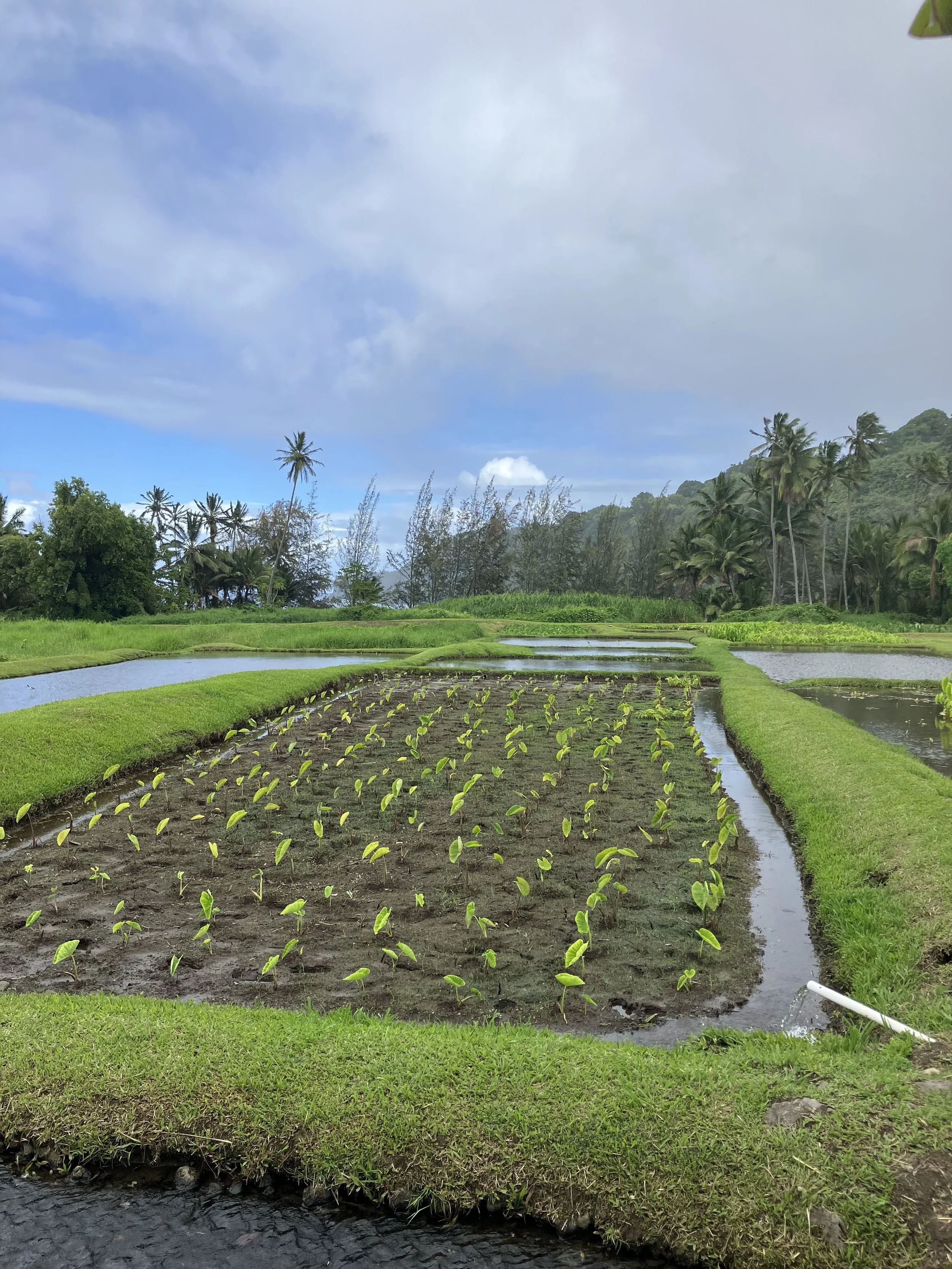
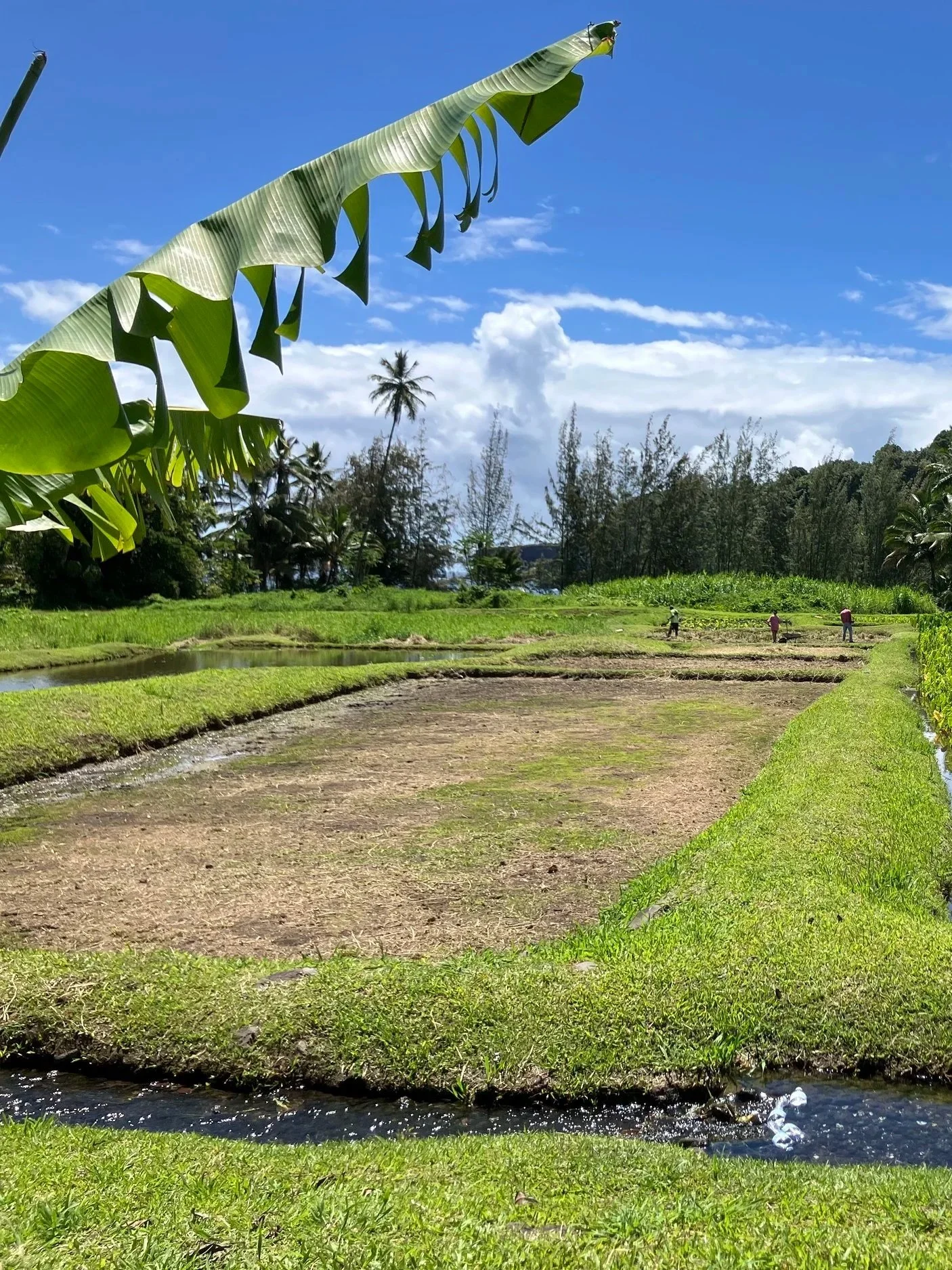
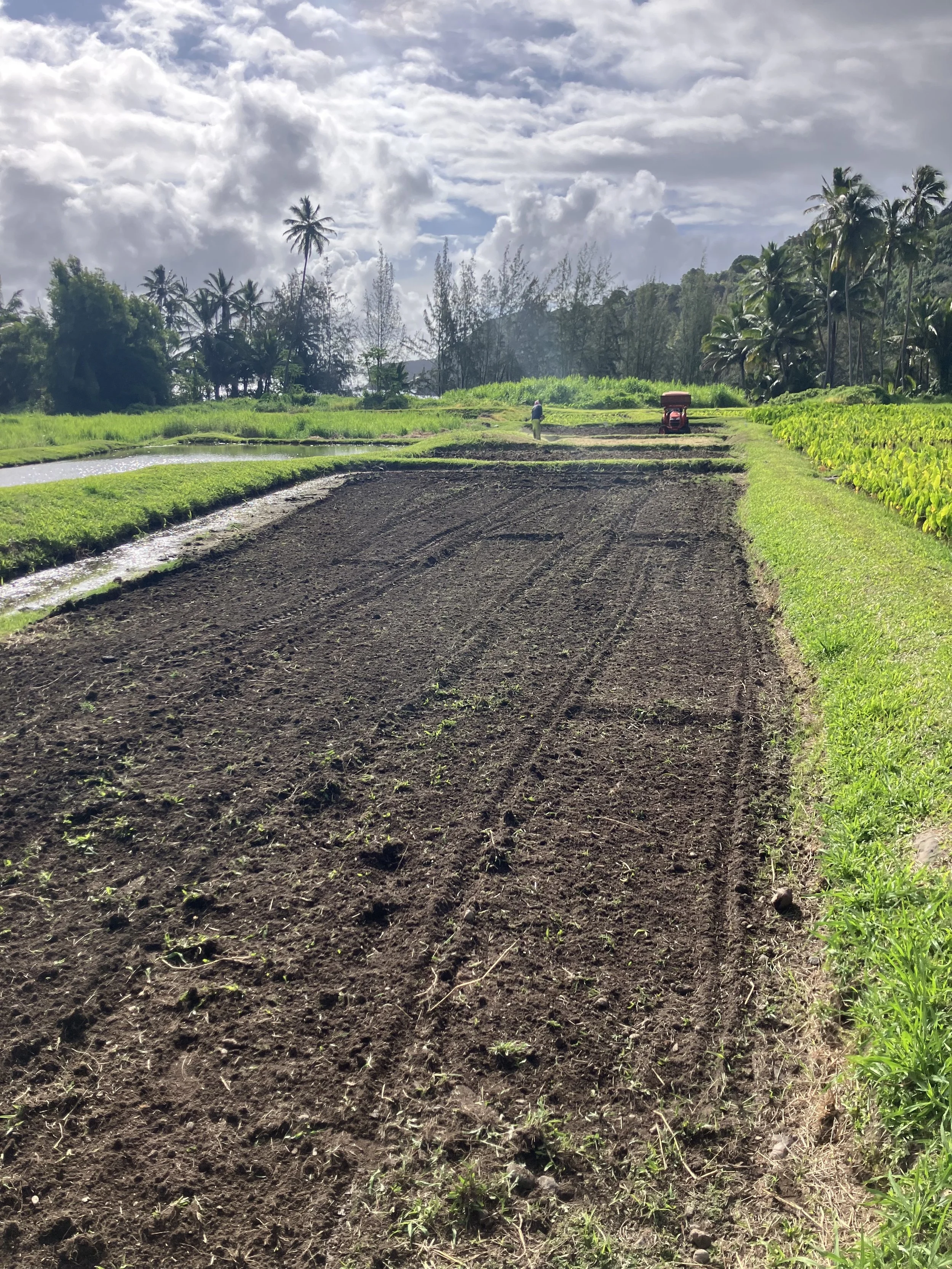
Soil Rehabilitation
Restoring degraded soil to a healthy, productive state by rebuilding its structure, nutrient density, and microbial life. Key techniques include applying compost and organic amendments, planting cover crops, and using biochar to improve water retention and boost biodiversity.
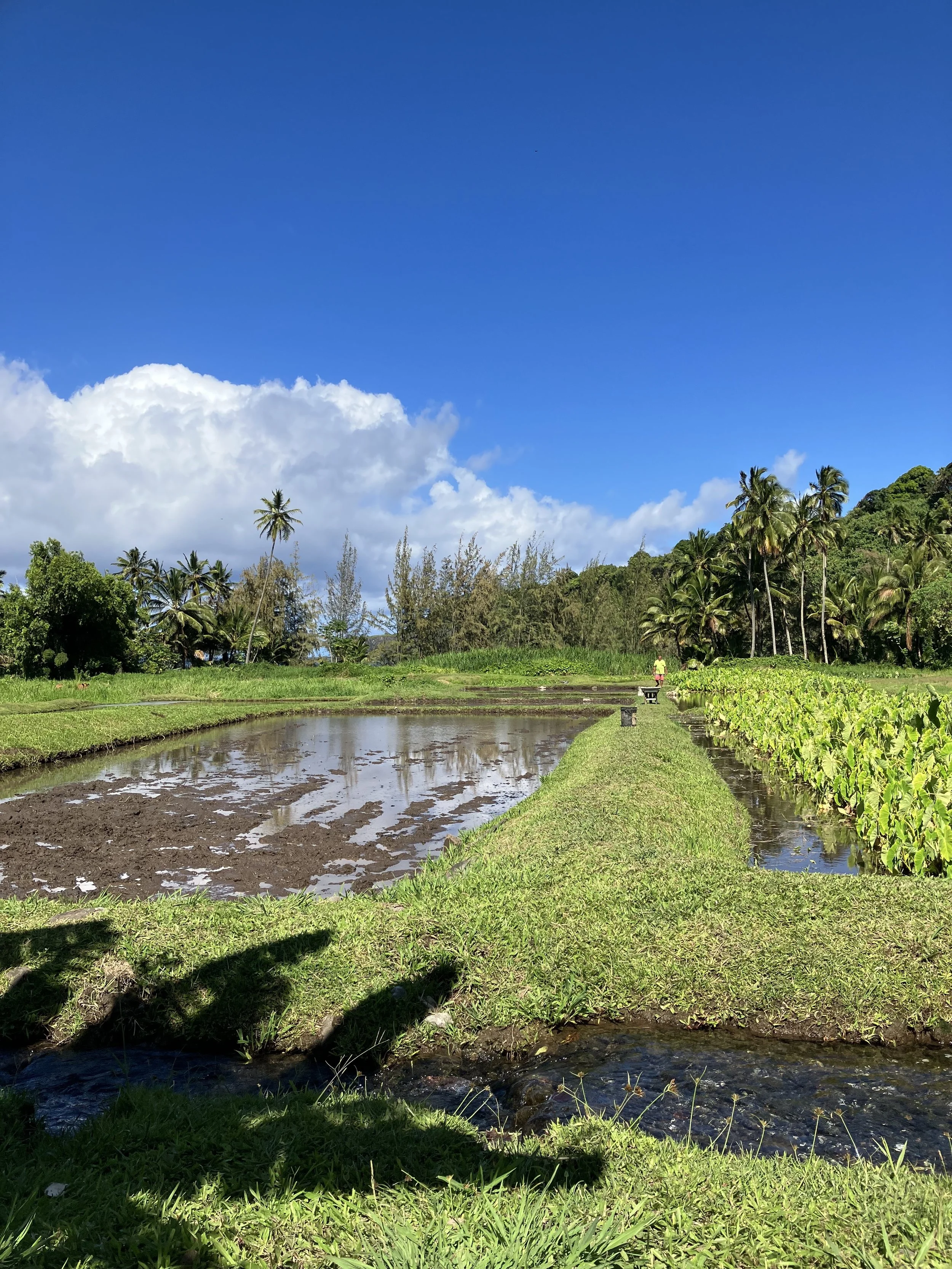
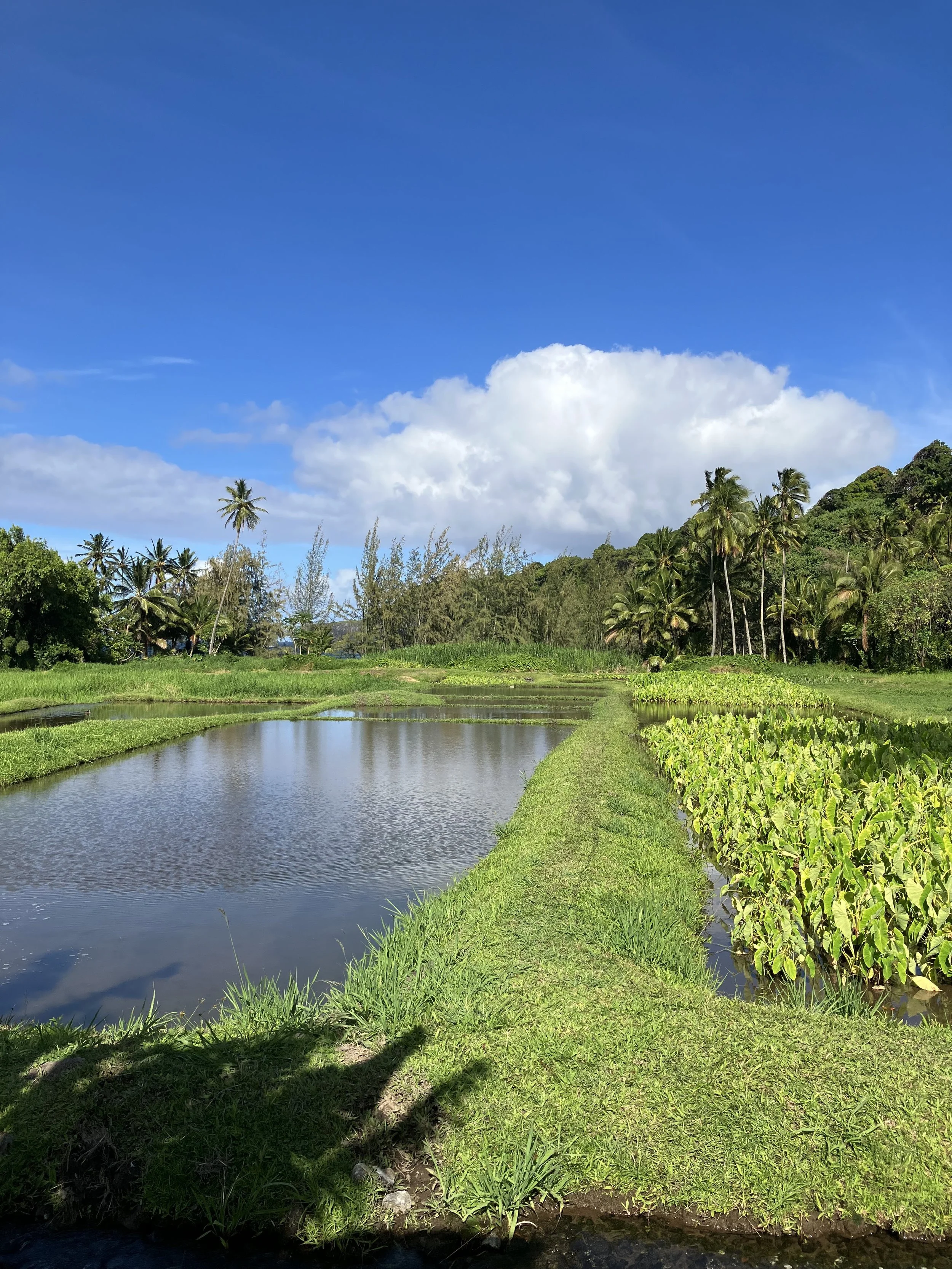
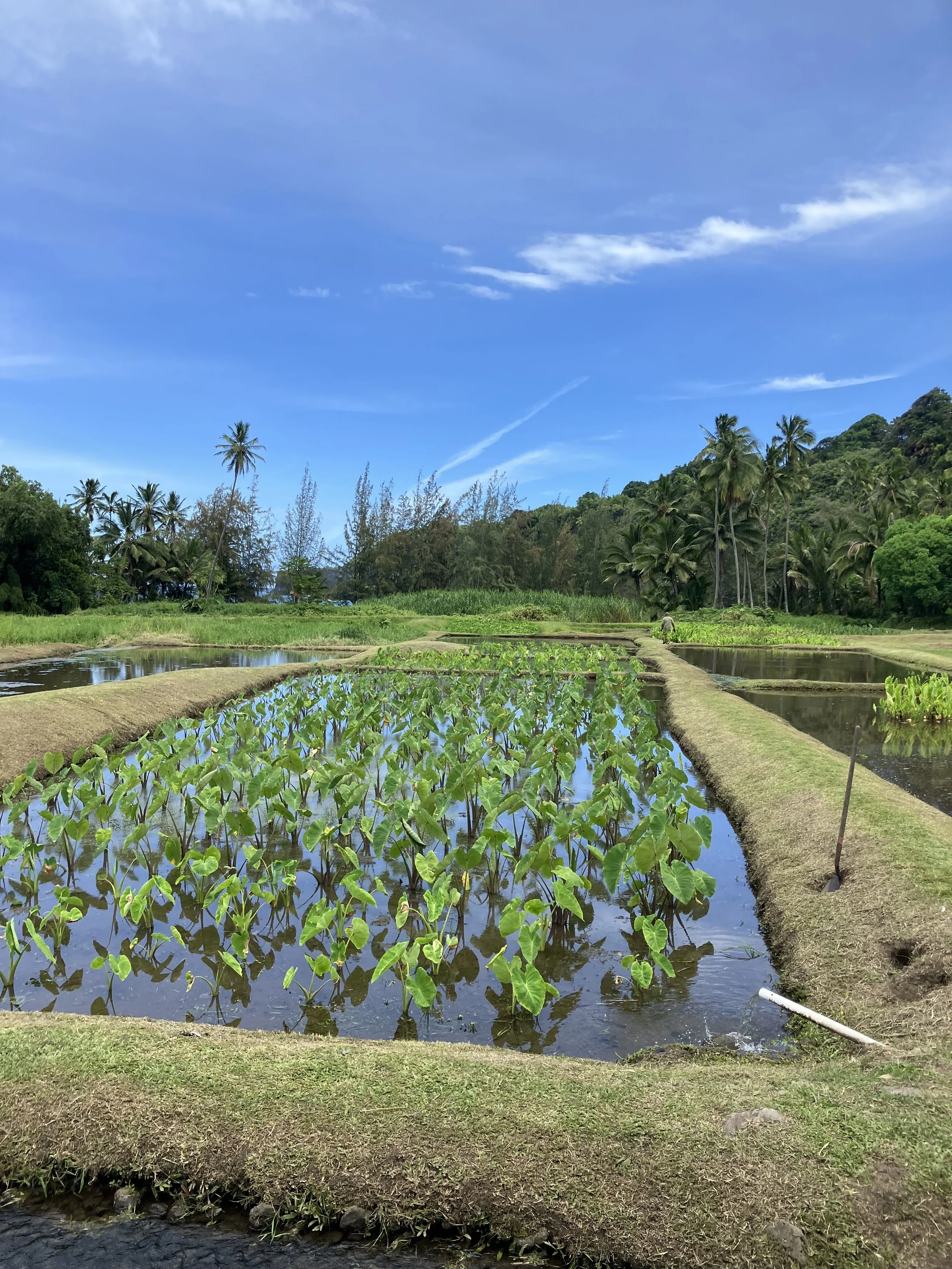
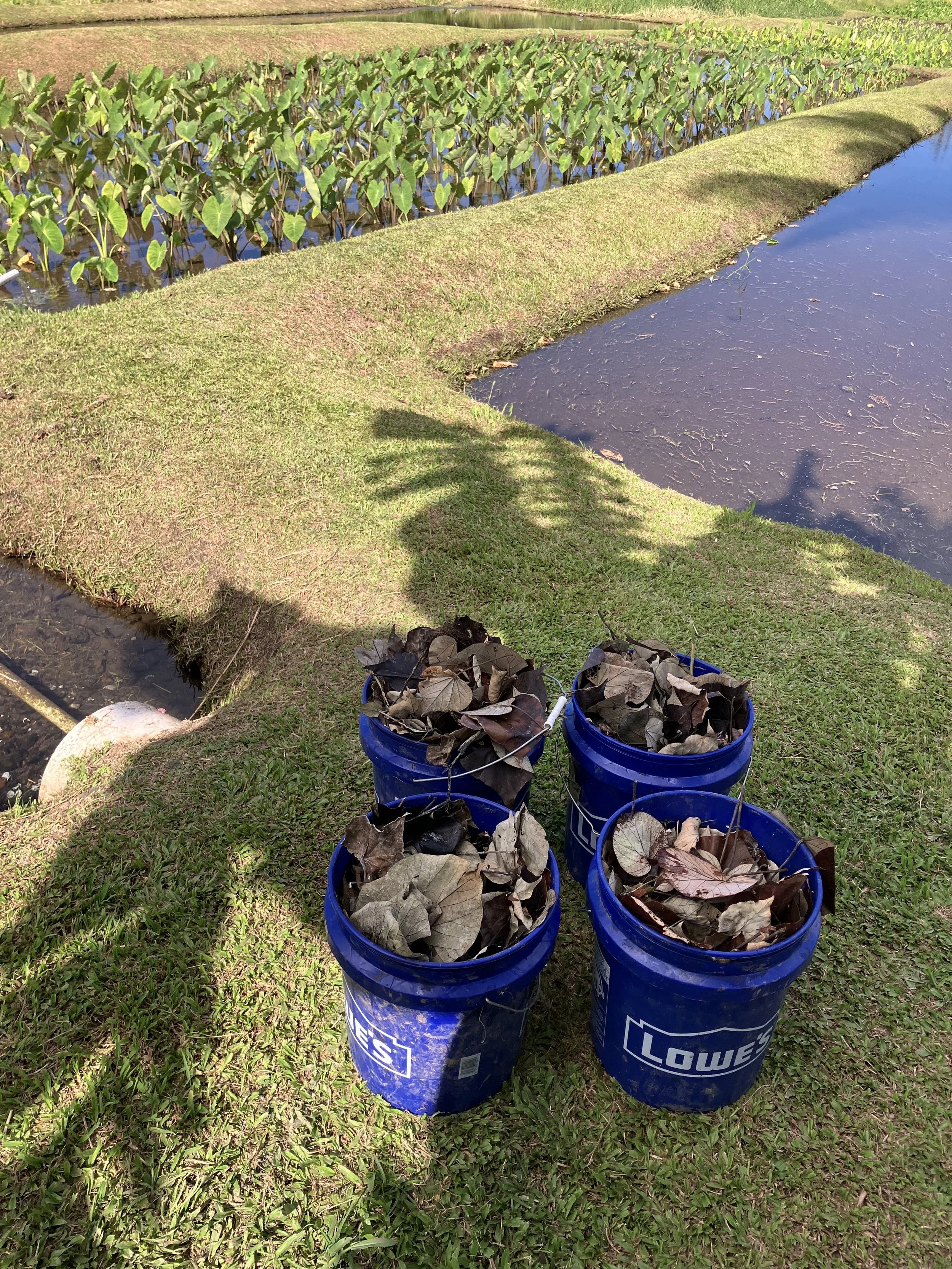
Fertilizing Organic
Exclusive use of fertilizers made from natural plant, animal, or mineral sources that are designed to improve soil health while providing nutrients to plants. Unlike synthetic options, they work with the soil ecosystem, breaking down slowly to provide sustained feeding and enhanced soil structure.
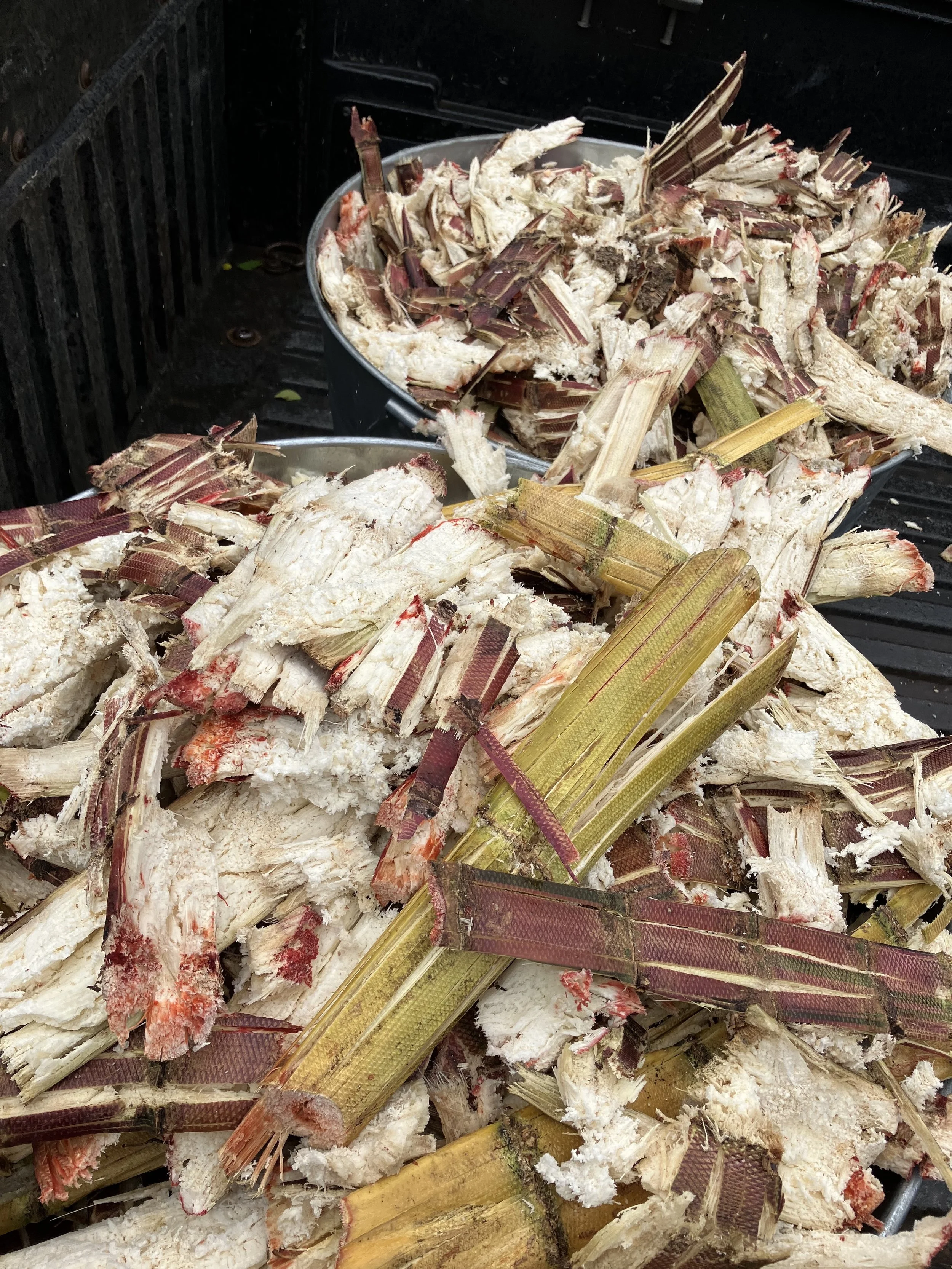
Research outcomes available July 2026
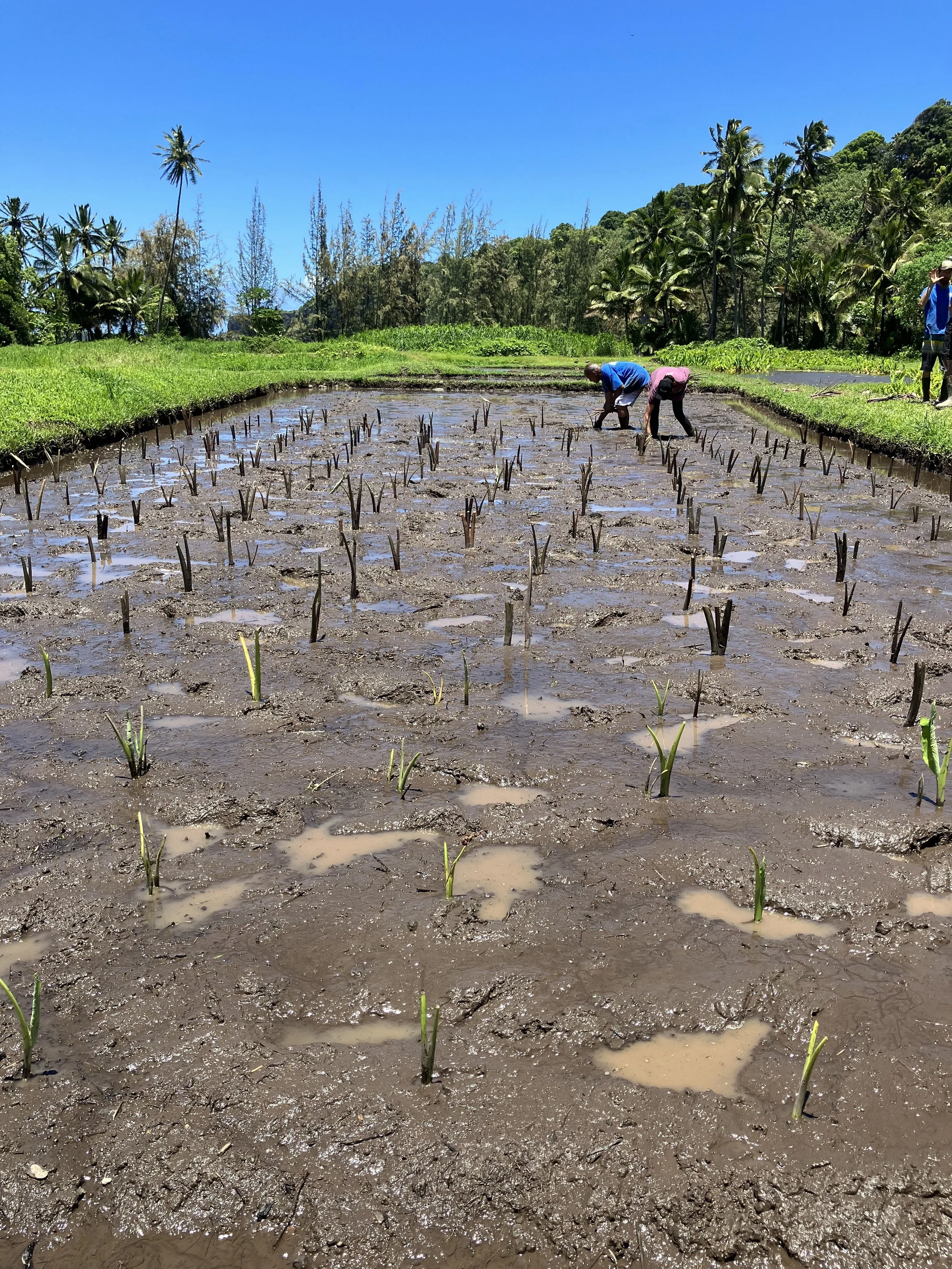
Water Quality Improvement
Isolated water source to eliminate neighboring contamination variables and improve water temperature.
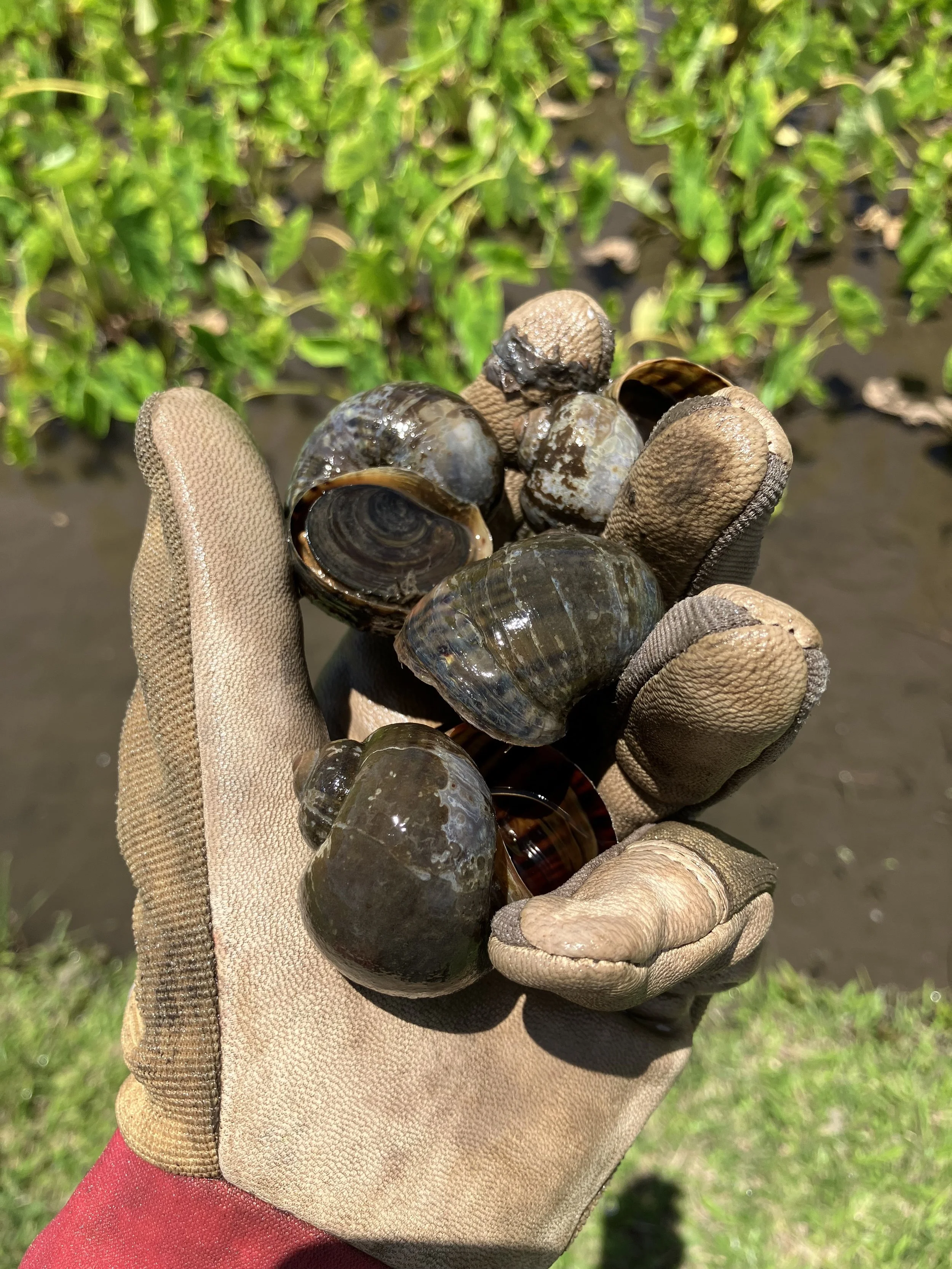
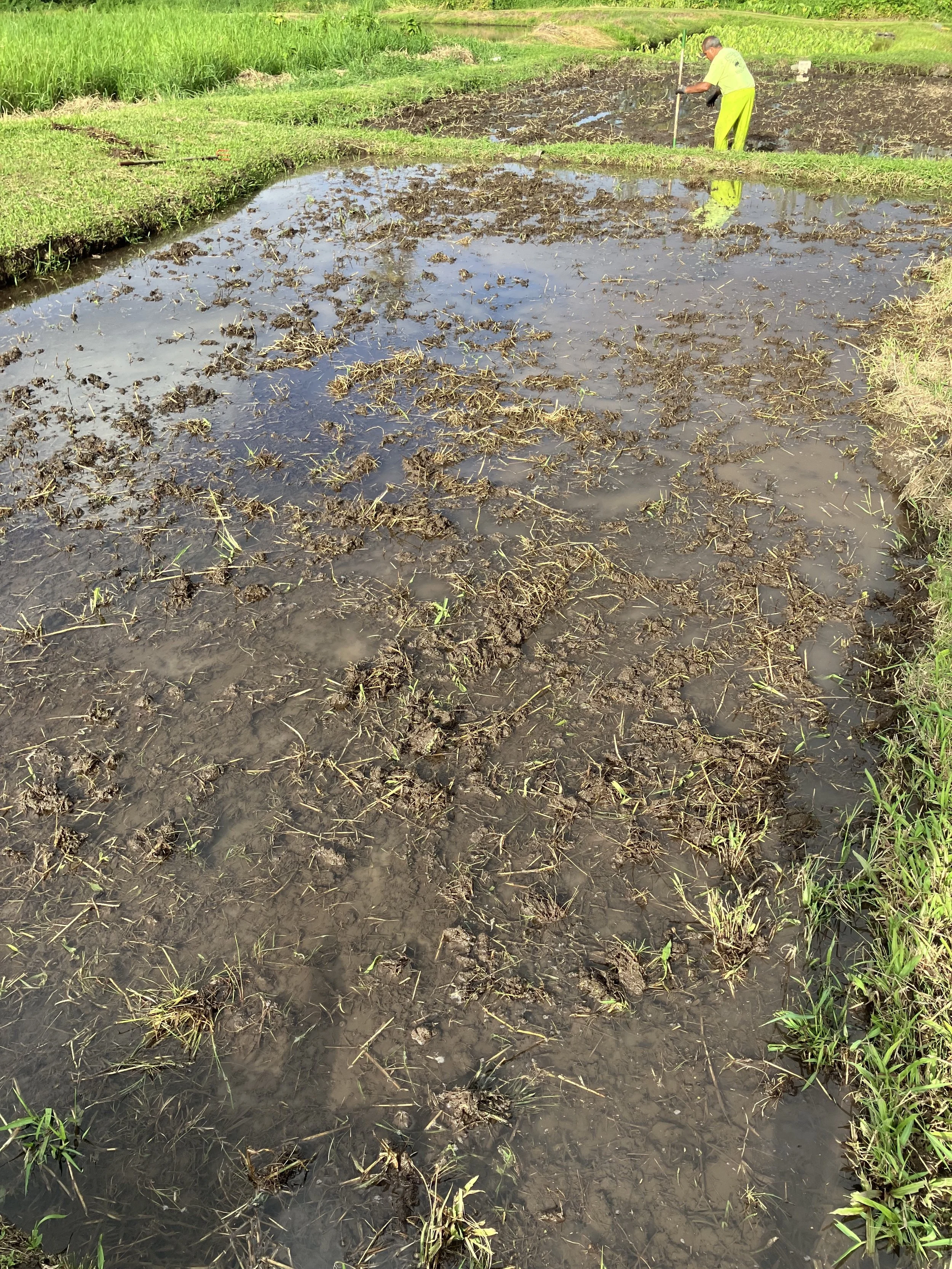
Invasive Species Mitigation
Aggressive manual removal and active monitoring of apple snail populations.
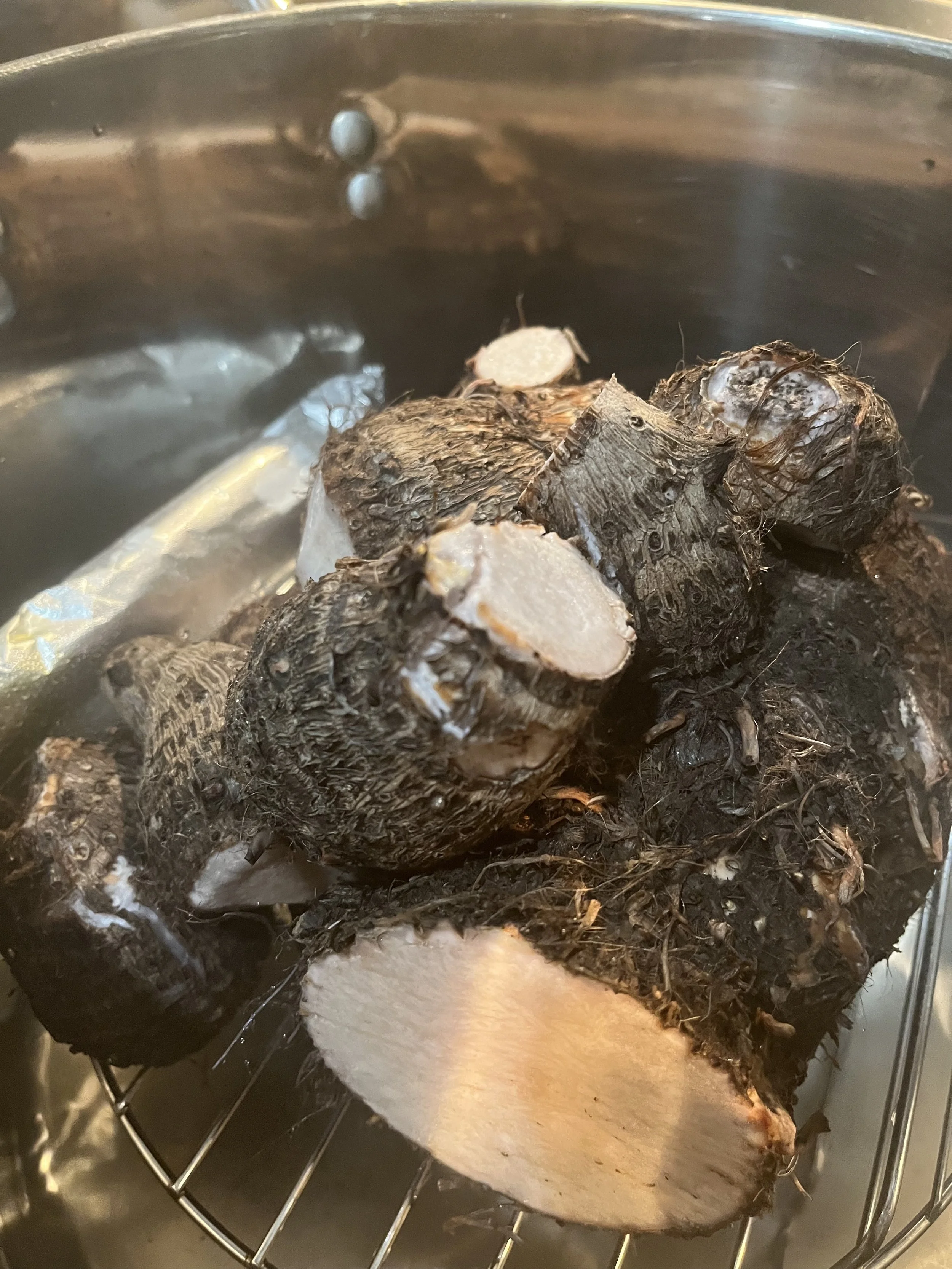
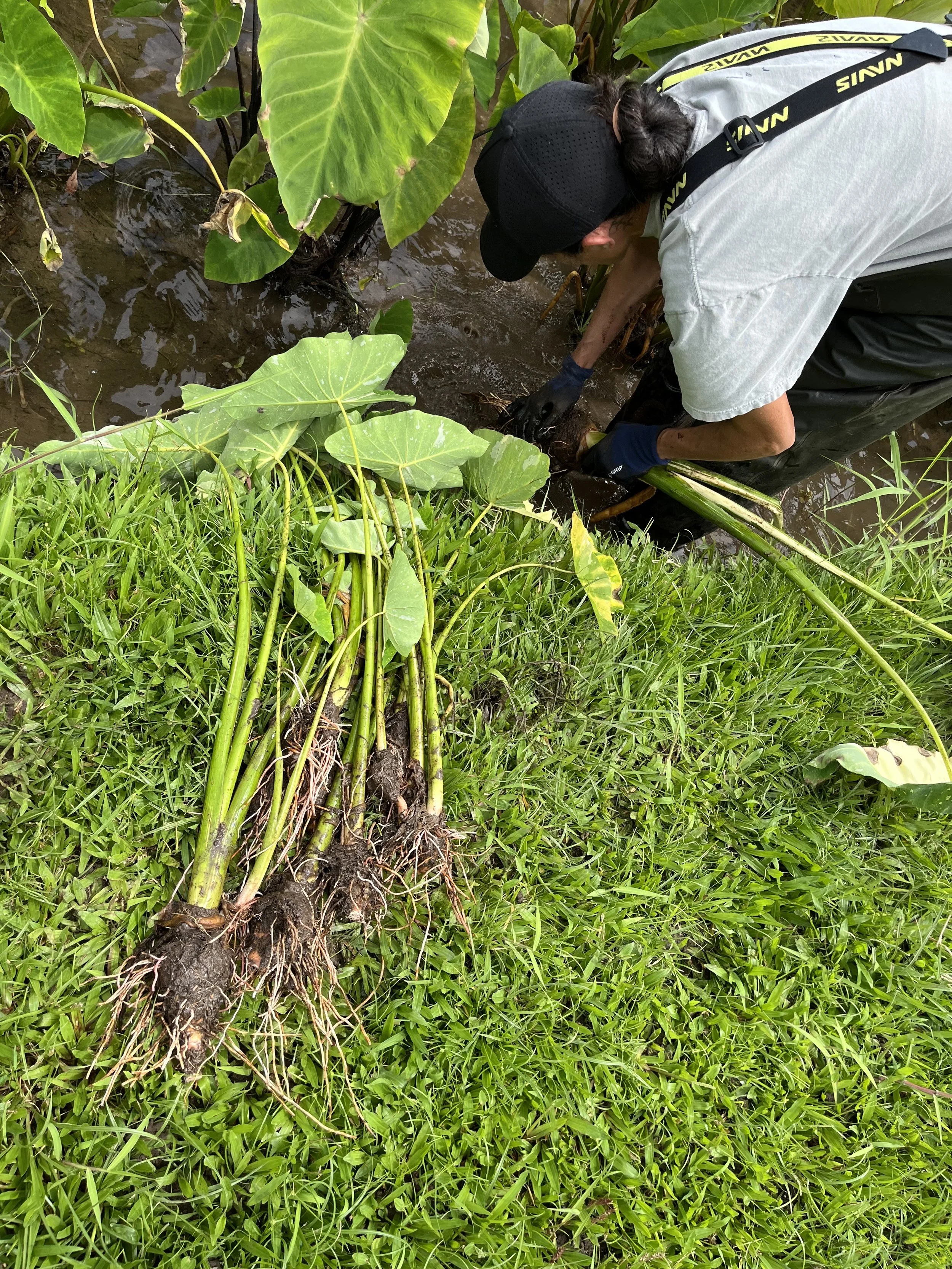
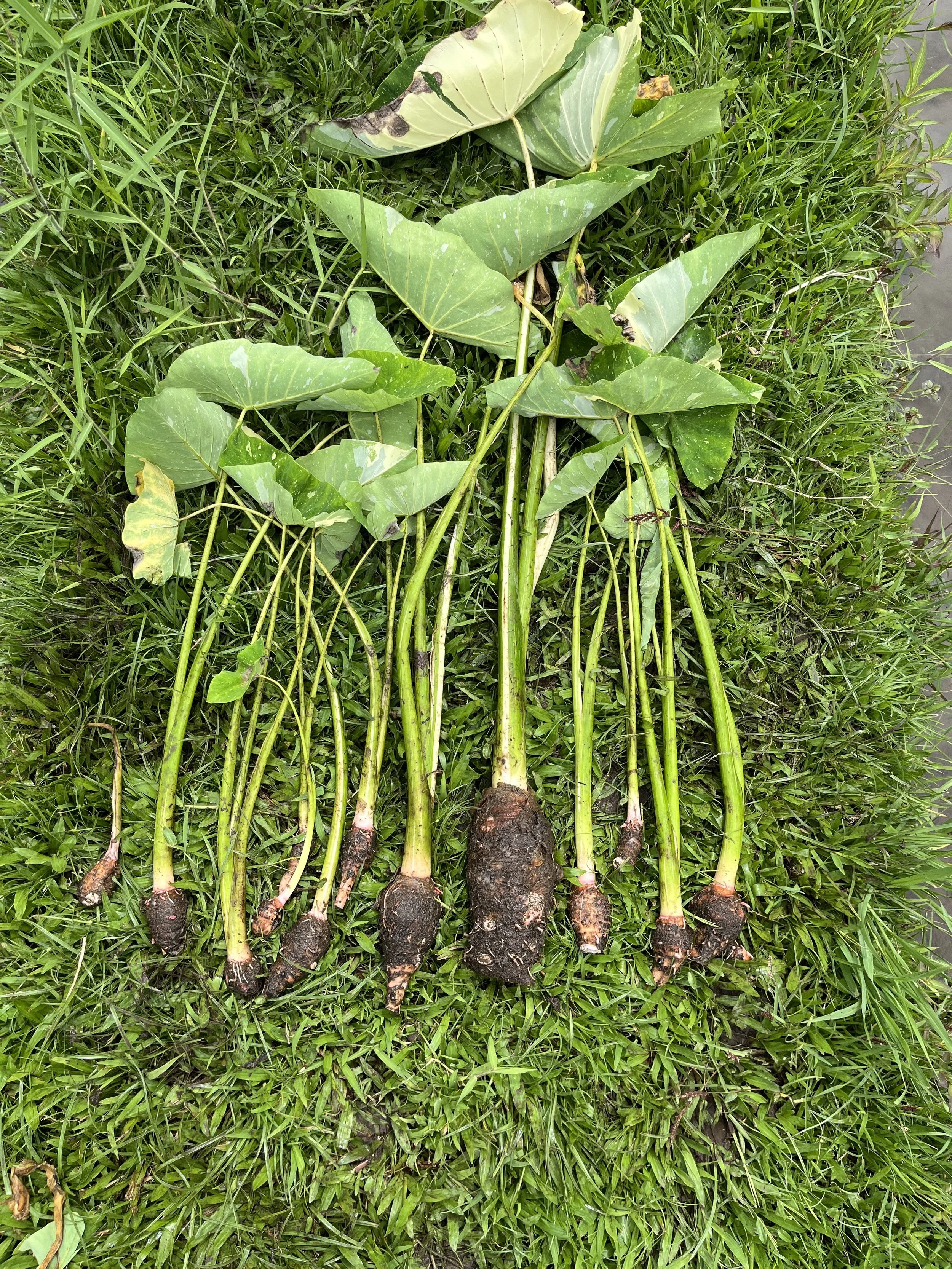
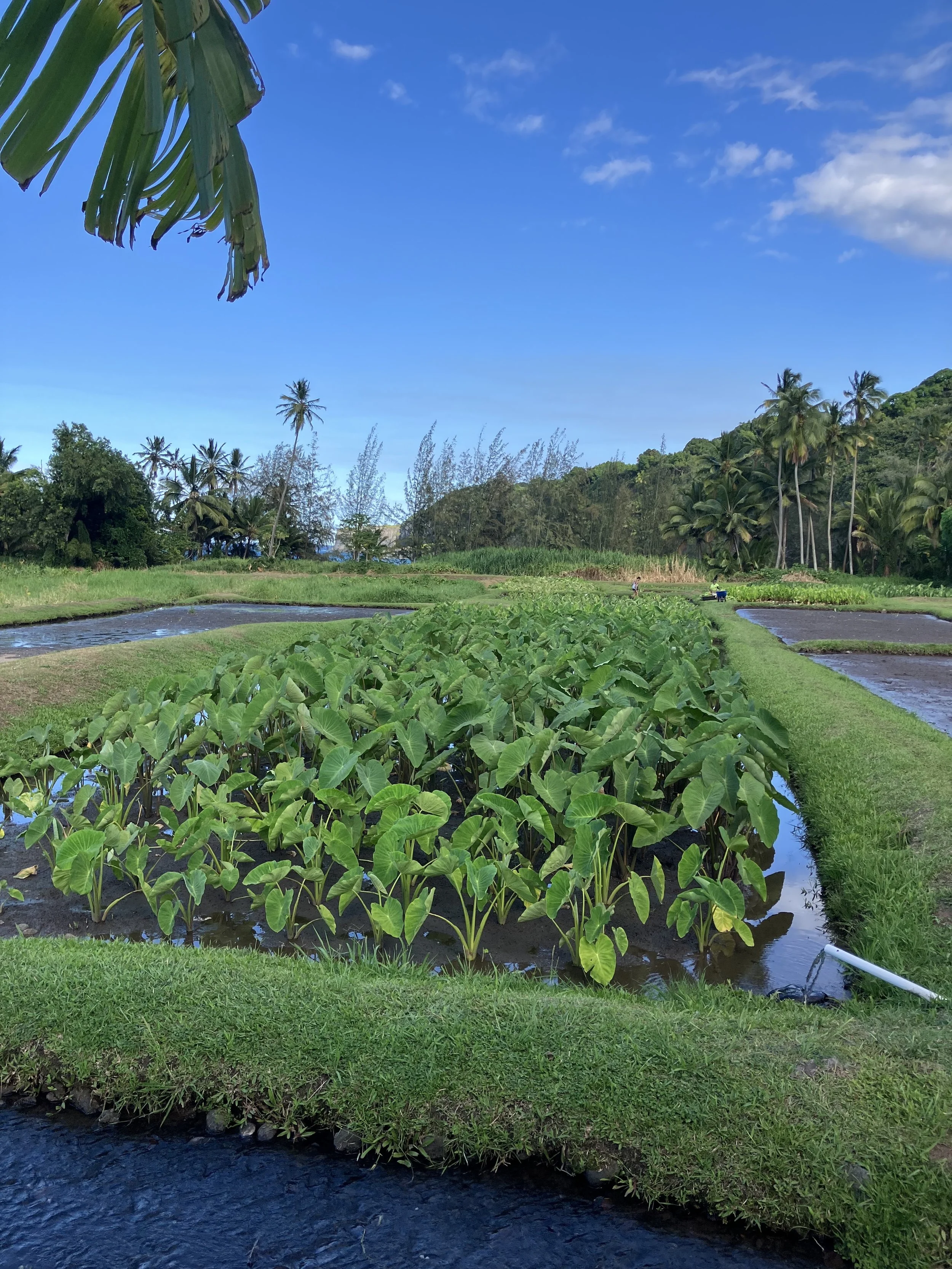
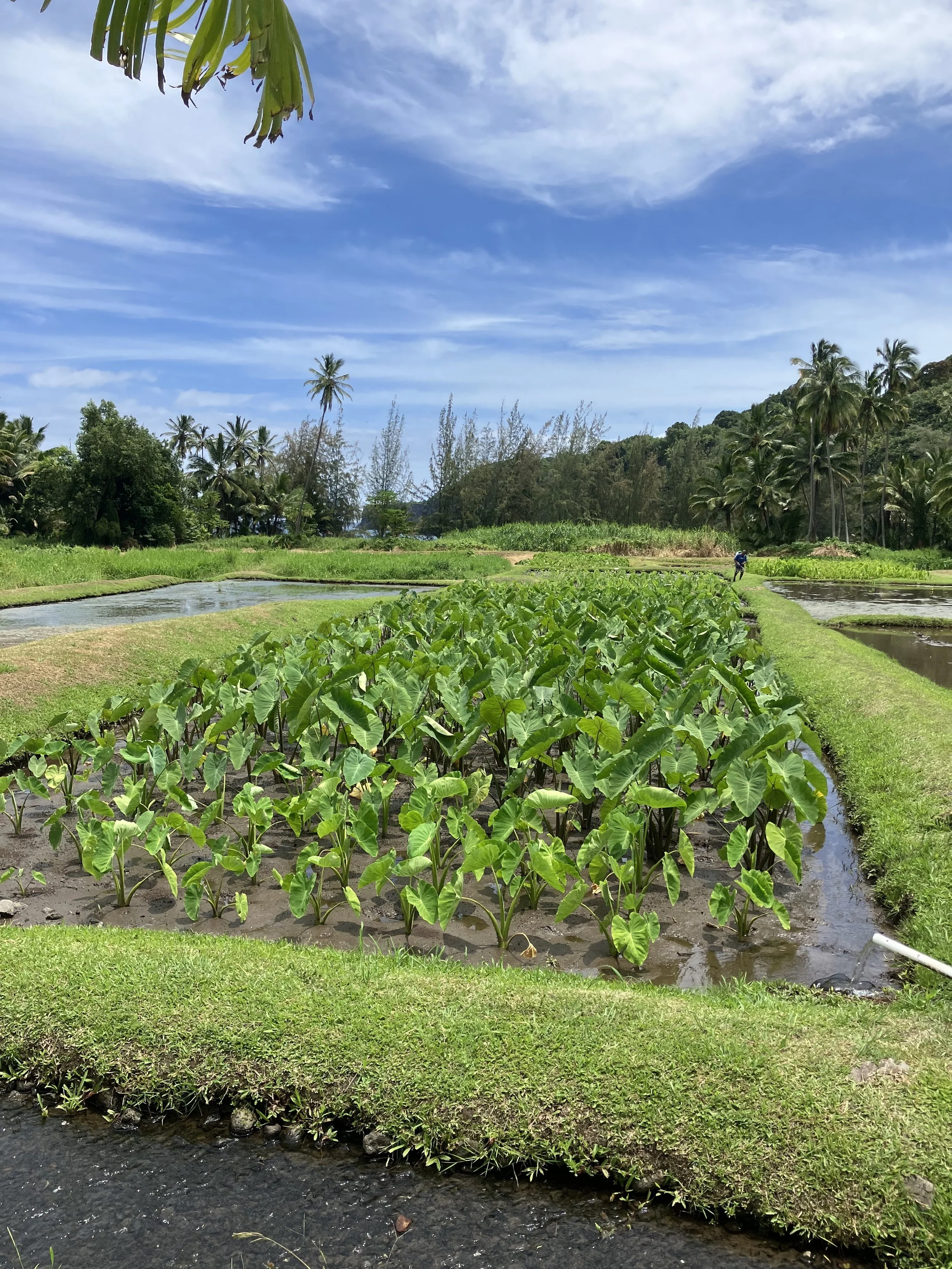
‘Elepaio Ha Kea harvest, March 27th 2026
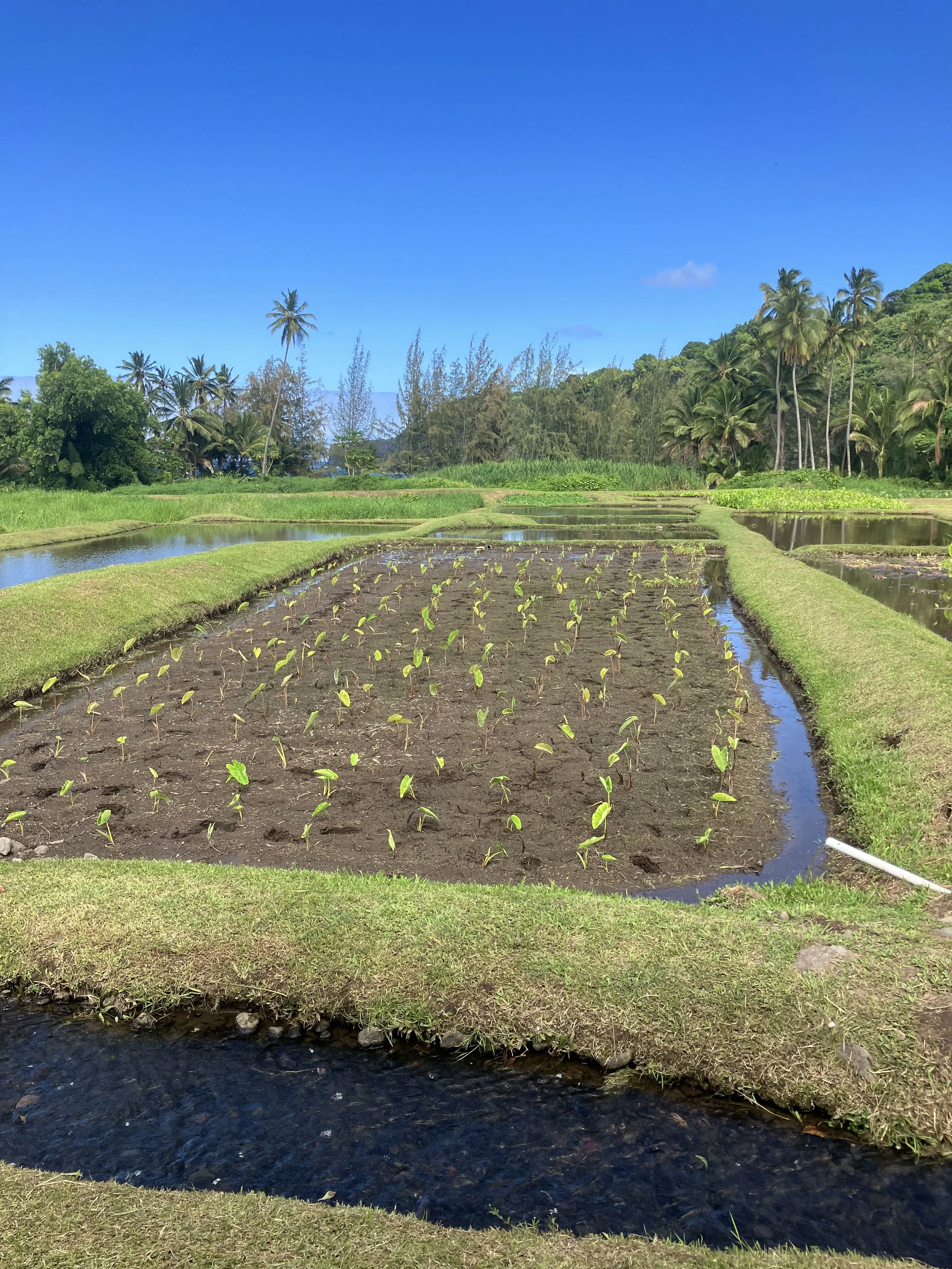
Patch #2, fertilized exclusively with aloha organic