Honomanu Ahupua‘a Project
This project is supported by: County of Maui Division of Sustainability, East Maui Water Authority, Hawaii Tourism Authority.
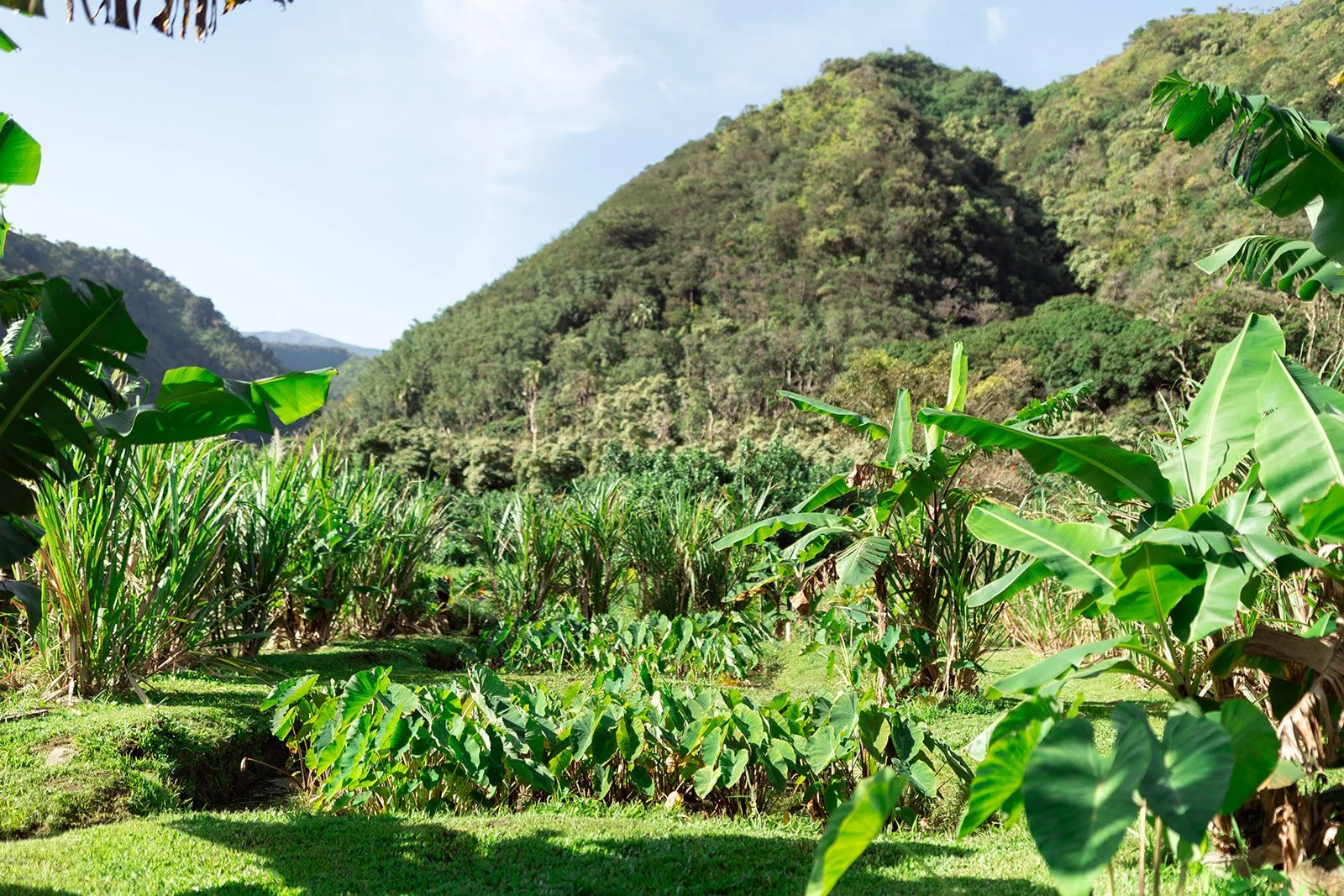
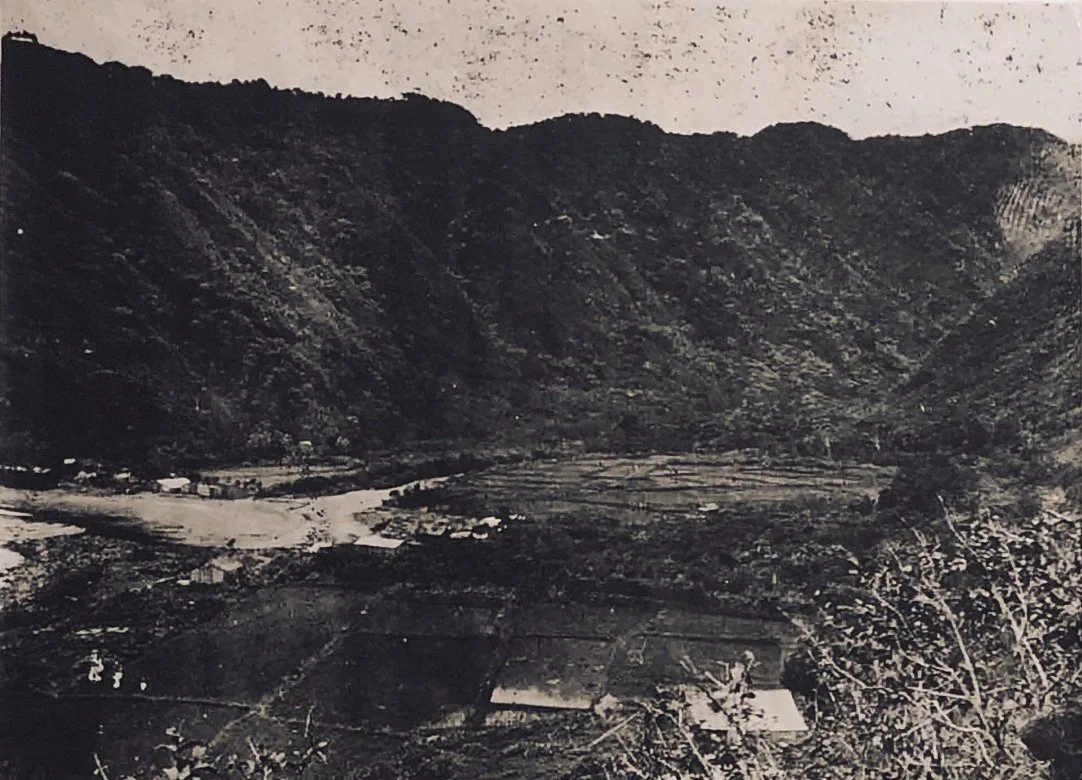
Honomanu is the largest stream in East Maui and features one of the most abundant estuary features at the base of its valley. In ancient times it supported one of the biggest populations of people in the vicinity with a quantity of taro patches rivaling that of today’s larger taro growing communities such as Ke‘anae and Wailua Nui. Over the course of the last century, and in direct sync with the gradual increase of stream water diversion, every taro patch in this valley went dormant. In more modern times, Honomanu had equated to merely a fishing spot with its agricultural food production potential disregarded for the last seventy years.
East Maui Land Restoration has spearheaded the restoration of ten wetland taro patches and embellished the farm’s perimeter with bananas, papayas, soursop, sugar cane, sweet potato, ti leaves, kukui trees, koa trees, other native Hawaiian trees and edible food plants. An ‘ahu was built by our volunteers to stake the intentions of this cultural revival and impress greater reverence for the site.
In May of 2020, Honomanu ahupua‘a catered the first annual East Maui watershed council meetings which was held at the Keanae Congregational Church hall. Kalo and laulaus made with provisions from the farm were served amongst other ‘aina ingredient based dishes. At this meeting, lineal descendants of the region gathered to discuss the politics, possibility and process of East Maui restoring its capacity to feed the people like it did before. In 2021 Honomanu ahupua‘a fed the participants of the first annual East Kaupakulua Makahiki Challenge at Pe‘ahi and we continue to share the harvest with those who come to partake in the responsibility of growing local food security.
Our efforts in Honomanu valley started without a formal non-profit organization and without grant money, serving as a testament to the power of a unified objective and body of people. The farm space has provided countless keiki and ‘ohana with the landscape to learn and re-familiarize with the functions and feeling of Hawaiian sustainability. We look forward to continuing the work until every taro patch is restored.
EMLR is actively removing invasive species overgrowth and revealing the traditional ‘auwai irrigation and wetland taro patch system of Honomanu valley.
Restoring the Hawaiian agricultural infrastructure.
Project start: 2019
A total of 10 wetland taro patches have been uncovered and restored to function.
Volunteers meet weekly to tend the duties of upkeep and continued efforts to sprawl lo‘i.
Hawai‘i Now Daily Feature
East Maui Land Restoration and our focus on invasive species control,
watershed restoration and community-driven land management